


How DMSO Heals the Spine and Reverses Paralysis
The extensive evidence behind DMSO's ability to regenerate spinal cord injuries, treat "incurable" back pain, and transform spinal medicine — and how to use it
May 18, 2026
Recently, I summarized approximately 2000 studies and 200 reader reports showing DMSO treats “incurable” CNS neurological diseases (including Parkinson’s, Alzheimer’s, ALS, multiple sclerosis, seizure disorders, psychiatric conditions, and Down syndrome) through its foundational properties: improving all forms of circulation, reducing inflammation, protecting cells from lethal stressors, crossing the blood-brain barrier, and reawakening dormant cells. This article extends that work to the spine, where DMSO’s regenerative properties are perhaps even more dramatic.
Remarkably, veterinarians have been using IV DMSO for spinal and neurological conditions in animals for decades. When a horse goes down and can’t get up from a severe neurological problem, IV DMSO is often standard practice. When a dog is hit by a car and paralyzed, many reports exist of IV DMSO routinely getting them walking again. Multiple veterinarians who contacted me described personally witnessing “miraculous recoveries” in paralyzed animals, and veterinary textbooks from the 1980s already listed IV DMSO protocols for brain and spinal cord injuries. Yet in human medicine, a spinal cord injury patient is told nothing can be done and to prepare for a life of severe disability.
 Wars and Rumors of War...
Check Amazon for Pricing.
Wars and Rumors of War...
Check Amazon for Pricing.

This disconnect inspired Todd, the Air Force veteran with ALS featured in the previous article, to try IV DMSO in the first place. After reading about DMSO’s properties, he asked a veterinarian friend whether she ever used it intravenously on animals. She did: whenever an animal was down with a severe neurological problem and couldn’t get up. “Many times I can get the animal on its feet and start treating it,” she told him. Todd’s response captures the absurdity perfectly: “We’re using that for a severe neurological problem on an animal that can’t get up, but we’re not doing this for humans.”
As I will show, the answer to Todd’s question is not that DMSO doesn’t work in humans. It is that the FDA effectively prevented it from ever being properly tested, and the medical profession never looked at what veterinarians already knew.
Note: the night before I published this article, one DMSO doctor I correspond with shared with me “I just heard from my patient that he had a cow that was found down, completely unconscious with a heartbeat. He called his vet who told him to mix DMSO and saline and infuse it. Within 30 mins, the cow was back up like nothing happened and lived until they sold it off.”
Neural Regeneration
Nervous tissue is notoriously difficult to regenerate: damaged central neurons rarely regrow, and even peripheral nerves heal slowly and incompletely. This is partly because nerve regeneration demands that the cell’s internal scaffolding (microtubules) reassemble, new axonal processes extend over long distances, and stem cells mature into functional neurons to replace those that were lost. DMSO promotes each of these processes: it is one of the most potent known promoters of microtubule assembly, it drives diverse stem cells to differentiate into neurons, and it can transiently “reset” cells trapped in dysfunctional structural states (a critical DMSO mechanism that will explored in detail later in the next DMSO article).
In purified tubulin systems, DMSO lowers the critical protein concentration required for their assembly into microtubules 8- to 10-fold (from 9.4 μM to 1.1 μM), primarily by reducing the rate at which tubulin subunits detach from growing ends while leaving the attachment rate unchanged. At optimal concentrations (6-12%, with 8% identified as best), 10% DMSO enabled microtubule formation at protein concentrations as low as 1 mg/ml (conditions under which assembly otherwise completely fails), producing microtubules that were morphologically and chemically identical to normal ones (GTP-dependent, cold-sensitive, inhibited by colchicine and calcium) but lacking the microtubule-associated proteins (MAPs) that normally coat them, an important advantage in spinal cord injuries where MAPs are frequently damaged or lost.1,2,3 These results have been confirmed across numerous systems: DMSO enabled assembly from tubulin completely stripped of associated proteins,1 reversed the complete blockade of microtubule assembly caused by rotenone1 (a Parkinson’s-causing pesticide), facilitated polymerization without added nucleotide,1 dose-dependently slowed disassembly,1 promoted rapid self-organization into polarized assemblies in Xenopus egg cytosol,1 progressively stabilized microtubules against cold-induced depolymerization at higher concentrations,1,2,3 modified lattice structure to promote more stable and organized spiral assembly,1,2 and greatly stimulated assembly in cobalt-containing systems.1
 A Rumor of War: The Cl...
Check Amazon for Pricing.
Most notably, plant protoplasts (cells with their walls removed) that had completely lost their cortical microtubule networks and were unable to divide were treated with 2-7% DMSO. Within hours, DMSO reinstated a dense, three-dimensional cortical microtubule network visible by immunofluorescence as long microtubule bundles with increased tubulin content. This structural restoration triggered continuous cell divisions that had never occurred under any other conditions, and the effect was so robust that unlimited tissue could be generated from protoplasts that had never produced even a single colony in control experiments. DMSO outperformed all other microtubule-stabilizing compounds tested (and a separate study confirmed that even 1% DMSO dramatically promoted early cell divisions, with 10-45% division rates vs. approximately 5% in controls).
A Rumor of War: The Cl...
Check Amazon for Pricing.
Most notably, plant protoplasts (cells with their walls removed) that had completely lost their cortical microtubule networks and were unable to divide were treated with 2-7% DMSO. Within hours, DMSO reinstated a dense, three-dimensional cortical microtubule network visible by immunofluorescence as long microtubule bundles with increased tubulin content. This structural restoration triggered continuous cell divisions that had never occurred under any other conditions, and the effect was so robust that unlimited tissue could be generated from protoplasts that had never produced even a single colony in control experiments. DMSO outperformed all other microtubule-stabilizing compounds tested (and a separate study confirmed that even 1% DMSO dramatically promoted early cell divisions, with 10-45% division rates vs. approximately 5% in controls).
In cultured arterial smooth muscle cells, 1% DMSO stabilized cytoplasmic microtubules so effectively that the network resisted both colchicine-induced depolymerization (which DMSO has been repeatedly shown to counteract1) and the growth-factor-triggered depolymerization that normally initiates cell division, effectively locking the cytoskeletal architecture in a stable, non-dividing configuration (a beneficial effect in vascular tissue, where uncontrolled proliferation drives disease). Prolonged exposure at the same concentration produced dramatic increases in microtubule quantity, with high DMSO doses driving polymerization faster than cells could complete normal assembly, while 1% DMSO also prevented neutrophil-induced endothelial stiffening and pathologic cytoskeletal remodeling.
In neurons specifically, DMSO supported axoplasmic microtubule assembly in squid giant axons, enhancing peak sodium conductance and shifting voltage-dependent activation toward more negative potentials, implying microtubule integrity directly modulates the ion channels that generate nerve impulses (DMSO also altered the structural organization and transport behavior of tubulin within axons, accelerating its movement and effectively accelerating a normal physiological differentiation process in cytoskeletal transport).
Finally, when leukemia cells were pretreated with microtubule-disrupting drugs (colchicine or vincristine), DMSO-induced differentiation (making the cancer become non-cancerous) was delayed, indicating that intact or stabilized microtubules are required for DMSO to drive cellular maturation.
Note: DMSO’s microtubule-stabilizing effects extend across many biological systems, including improved development rates in fertilized eggs,1 preservation of brain microtubules for electron microscopy,1 promotion of microtubule aster formation in Xenopus egg extracts,1,2 stimulation of stathmin/Op18 hyperphosphorylation (a key regulator of microtubule dynamics), and simultaneous induction of microtubule bundling and defense signaling in grapevine cells (demonstrating its cytoskeletal and membrane effects are functionally coupled). DMSO also reversibly altered the electrical surface charge of tubulin and microtubules in a dose-dependent manner, though at therapeutically realistic levels the charge remained negative with preserved polymer stability.1,2,3,4,5
In short, DMSO dramatically lowers the threshold for microtubule assembly, stabilizes the resulting structures against depolymerization, and in living cells restores the structural scaffolding required for cell division and axonal extension. So, for damaged nervous tissue, where regeneration is often prevented by an inability to rebuild this cytoskeletal infrastructure, this represents a direct mechanistic explanation for the regenerative effects repeatedly seen from DMSO.
 Vital Proteins Collage...
Check Amazon for Pricing.
Vital Proteins Collage...
Check Amazon for Pricing.
DMSO (typically at 1.5–2%) has also been shown across dozens of in vitro studies to induce neural differentiation — confirmed by neuronal marker expression and neurite outgrowth — in bone marrow mesenchymal stem cells,1,2,3,4,5,6,7,8,9,10, 11,12,13,14,15,16,17,18,19,20, 21,22,23,24,25,26,27,28,29, 30 umbilical cord and cord blood mesenchymal stem cells,1,2,3,4,5,6,7 adipose-derived stem cells,1 pig embryonic stem cells,1 nasal-derived stem cells,1 dental pulp stem cells,1 periodontal ligament stem cells (into Schwann-like cells),1 amniotic fluid and amnion mesenchymal stem cells,1,2 gingival fibroblasts (which then secreted dopamine and acetylcholine),1 reaming debris-derived stem cells,1 and numerous neuroblastoma cell lines.1,2,3,4,5,6,7,8,9,10,11,12,13,14,15,16,17,18,19,20,21,22,23
Additionally, a 24-hour DMSO pretreatment rescued age-related neural differentiation deficits in induced pluripotent stem cells from older donors.1,2
Mechanistically, DMSO promotes the maturation of already-committed neuronal precursors rather than stimulating proliferation. One study found it selectively doubled the number of hypothalamic neurophysin-positive neurons without inducing DNA synthesis, with a consistent 6-day lag indicating differentiation of post-mitotic precursors.1 This process is driven by rapid suppression of cyclin-dependent kinase activity (particularly CDK6), accumulation of active retinoblastoma protein, and a dose-dependent shift toward G₀/G₁ phase with reduced S-phase cells1,2,3,4 — all of which modulate the cell-cycle exit to permit terminal neural differentiation (while alternatively, DMSO will also switch cells to the S phase for tissue injury repair and promote proliferation1). DMSO also selectively promotes synaptogenesis, increasing synaptic vesicle protein (synaptophysin) relative to general neuronal markers, suggesting it enhances synaptic connectivity beyond simply generating neurons.1
Note: some evidence suggests DMSO’s primary action on stem cells is structural (cytoskeletal reorganization) rather than transcriptional, as one study found DMSO-induced morphological changes reflected cytoskeletal reorganization rather than classical gene-expression-driven differentiation,1 and another found DMSO decreased neurotrophic factor expression,1 which would explain why DMSO-treated stem cells differentiate appropriately when transplanted into animals or humans but show variable marker expression in isolated culture.
Beyond DMSO alone, DMSO combinations have further enhanced neural differentiation (e.g., FAD,⬖ resveratrol,⬖ BDNF, a cAMP derivative1,2 and a ginsenoside⬖) and promoted neural stem cell proliferation (e.g., Schisandrol A,⬖ rapamycin a cAMP derivative1,2 and intracerebroventricular CXCL1), which jointly were shown to directly facilitate motor recovery after a spinal cord injury.1,2 Additionally, DMSO-differentiated neuronal cells have been used as a screening platform to identify compounds that promote neurite outgrowth in damaged central nervous system neurons.
 Nordic Naturals Ultima...
Buy New $32.49 ($0.36 / Count)
(as of 04:49 UTC - Details)
Nordic Naturals Ultima...
Buy New $32.49 ($0.36 / Count)
(as of 04:49 UTC - Details)
Note: for reader ease, I use ⬖ to designate natural substances DMSO is therapeutically combined with (in part to provide ideas for people who want to explore combinations at home).
Spinal Cord Injuries
Since central nervous tissue does not regenerate, spinal cord injuries are classically considered incurable. However, as the pioneers of DMSO, Stanley Jacob and Jack de la Torre MD both discovered, if DMSO is given intravenously shortly after a spinal cord injury, paralysis can frequently be prevented or reversed. De la Torre found that giving DMSO to dogs shortly after injuries that typically produced permanent paralysis spared them from it, with almost normal function returning within weeks, and concluded that if a severe spinal cord trauma is treated with intravenous DMSO within 2 hours, paralysis may be prevented. Jacob, meanwhile, reported that three patients who arrived paralyzed (at 5, 6, and 9 hours post-injury, far beyond what was thought recoverable) were treated with IV DMSO, and two of the three regained the ability to walk.
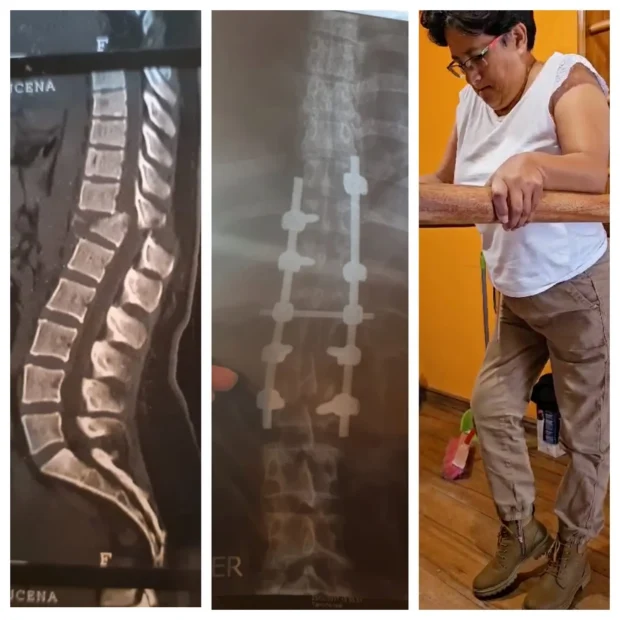
Note: prior to DMSO, Rosa could not feel beneath her waist and had been told she would be a permanent paraplegic (the virtually certain outcome for her injury). After an earlier DMSO article I published described Rosa’s miraculous recovery from starting DMSO five days post-injury (based on the above comment from Dr. Grindle), Mary Beth Pfeiffer tracked her down in Ecuador and corroborated that it indeed happened (all of which is detailed here). Rosa and her grateful husband understandably feel more people should know about DMSO and wish she’d received it sooner after the injury.
 THORNE Creatine - Micr...
Check Amazon for Pricing.
THORNE Creatine - Micr...
Check Amazon for Pricing.
The greatest benefit occurs when DMSO is given within 90 minutes of injury, with higher doses also increasing the speed and likelihood of recovery.1,2,3 However, DMSO can often provide significant rehabilitation for far older injuries (e.g., an engineer who had been paralyzed made remarkable improvements from DMSO 12 years later, and a college student with severe injuries including a C4-C5 fracture who began DMSO nearly two years post-injury gradually regained sensation, limb movement, and hand function over the following years—whose progress halted when the FDA unconscionably revoked DMSO’s medical use—but nonetheless healed enough to graduate).
Likewise, one reader shared that his feet had been paralyzed for 13 years; after starting oral DMSO, he was walking without braces after three months and a veterinarian who practiced in the 1970s reported personally witnessing “many miraculous recoveries” in dogs and cats paralyzed after being hit by cars after they received IV DMSO.
 NatureWise Vitamin D3 ...
Buy New $14.99 ($0.04 / Count)
(as of 11:50 UTC - Details)
NatureWise Vitamin D3 ...
Buy New $14.99 ($0.04 / Count)
(as of 11:50 UTC - Details)
 Sports Researchu00ae V...
Check Amazon for Pricing.
Sports Researchu00ae V...
Check Amazon for Pricing.
 Sports Researchu00ae O...
Check Amazon for Pricing.
Sports Researchu00ae O...
Check Amazon for Pricing.
 Physician’s CHOI...
Check Amazon for Pricing.
Physician’s CHOI...
Check Amazon for Pricing.
Copyright © A Midwestern Doctor
 More Wars and Rumors of Wars