


How To Prepare for Nuclear War
December 13, 2024
The threat of nuclear conflict, while often distant, remains a part of modern geopolitical tensions. This sobering reality necessitates a certain level of preparedness for individuals and communities. How does one even begin to prepare for a nuclear war?
Preparing for nuclear war involves understanding the immediate and long-term impacts, creating safe spaces like fallout shelters, stockpiling essential supplies, planning for family safety, and navigating post-blast scenarios.
Understanding how to prepare for nuclear war can be overwhelming, but knowing what to do can be the difference between life and death. Dive in to fortify your knowledge and be prepared for any possibility.
Understanding the Different Types of Nuclear Emergencies
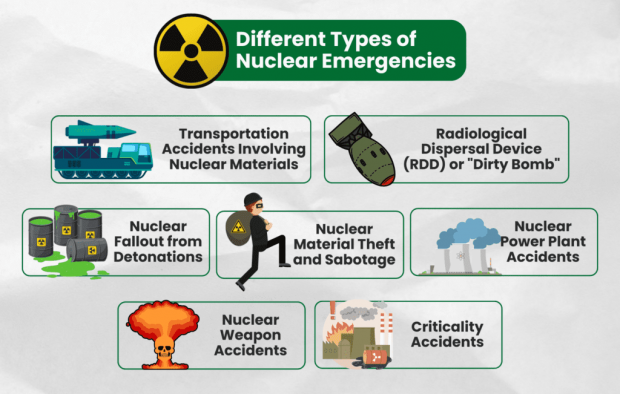
In an era where nuclear technology plays a pivotal role in energy generation and defense, understanding the types of nuclear emergencies is crucial. These emergencies, although rare, can have far-reaching and devastating effects on human health, the environment, and global politics.
Nuclear Power Plant Accidents
Nuclear power plant accidents are perhaps the most recognized form of nuclear emergency. These incidents occur due to failures in systems, procedures, or components within nuclear power plants.
The Chernobyl disaster in 1986, caused by a flawed reactor design operated with inadequately trained personnel, and the Fukushima Daiichi nuclear disaster in 2011, triggered by a massive tsunami, stand as stark reminders of the potential risks.
 Old School Grit: Times...
Best Price: $7.03
Buy New $14.95
(as of 01:46 UTC - Details)
Old School Grit: Times...
Best Price: $7.03
Buy New $14.95
(as of 01:46 UTC - Details)

These events not only release harmful radioactive materials into the environment but also trigger long-term socio-economic challenges and health issues.
Radiological Dispersal Device (RDD) or “Dirty Bomb”
The threat of a “dirty bomb” involves non-state actors using conventional explosives to disperse radioactive materials. This type of attack aims more to create panic and disruption rather than cause significant casualties.
Nuclear Weapon Accidents
Accidents involving nuclear weapons, though exceedingly rare, carry the potential for immense destruction. These accidents can occur during the transport, storage, or handling of nuclear weapons.
A mishap in this category could lead to accidental detonation or leakage of radioactive materials. The consequences would be catastrophic, both in terms of immediate loss of life and long-term environmental impact.
Nuclear Material Theft and Sabotage
This type of emergency involves unauthorized access, theft, or deliberate damage to nuclear materials or facilities. The primary concern is that stolen nuclear materials could be used to create a nuclear weapon or a dirty bomb by non-state actors or terrorists.
Another aspect of this emergency is sabotage, where individuals or groups intentionally damage a nuclear facility, potentially causing a release of radioactive material. This could result from insider threats, cyber-attacks on nuclear control systems, or physical attacks.
Preventive measures include strict security protocols, background checks for personnel, and robust cyber security systems.
Transportation Accidents Involving Nuclear Materials
This refers to accidents that occur during the transport of nuclear materials, such as uranium, plutonium, or spent nuclear fuel. These materials are frequently moved between mines, processing facilities, reactors, and storage sites.
 Rich Man Poor Bank: Wh...
Best Price: $8.49
Buy New $16.95
(as of 11:31 UTC - Details)
Rich Man Poor Bank: Wh...
Best Price: $8.49
Buy New $16.95
(as of 11:31 UTC - Details)
Risks include the accidental release of radioactive material due to collisions, fires, or other mishaps during transport. While transportation containers are designed to be extremely robust, severe accidents could compromise their integrity.
Emergency response involves containment, evacuation if necessary, and decontamination. Transport routes are often chosen to minimize the risk to populated areas.
Criticality Accidents
A criticality accident occurs when nuclear material accidentally reaches a critical mass and starts a chain reaction, like in a nuclear reactor, but in an uncontrolled environment. This can emit lethal doses of radiation.
These accidents are rare and usually occur in fuel processing facilities or research labs. They are often the result of handling errors or miscalculations involving highly enriched fissile material.
Immediate response involves evacuating the area and then assessing the extent of the radiation release. Long-term responses include reviewing safety protocols and implementing additional safeguards.
Copyright © Milan Adams
 A Dramatic Change in the Correlation of Forces