


The 1619 Project: Down, But Far From Out
Despite sustained criticism, this wretched New York Times initiative is still being promoted in schools.
October 17, 2020
Since its launch in August last year, the New York Times’ 1619 Project has been challenged over its accuracy and integrity. The latest blow comes from within the Times’ own pages. Bret Stephens, a conservative-leaning op-ed columnist, wrote that ‘for all of its virtues, buzz, spinoffs and Pulitzer Prize – the 1619 Project has failed’.
The 1619 Project seeks to revise American history with a tendentious thesis: it claims that 1619, the year that 20 Africans arrived in the English colonies, and not 1776, marked the beginning of America, its ‘true founding’. According to the Times, the US was forged to preserve slavery, not the freedom and equality promised by the Declaration of Independence. America is a racist nation by design, and thus illegitimate, says the 1619 Project.
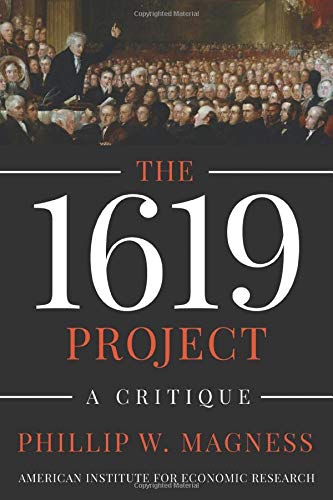 The 1619 Project: A Cr...
Buy New $9.00
(as of 05:14 UTC - Details)
The 1619 Project: A Cr...
Buy New $9.00
(as of 05:14 UTC - Details)
 In his Times piece, Stephens tries to be balanced, praising the project’s ‘ambition’. But he is ultimately damning, saying that the 1619 Project is a ‘thesis in search of evidence’ and an attempt to establish a ‘capital-T truth of a pre-established narrative in which inconvenient facts get discarded’. Most of all, Stephens accuses Times writers of abandoning proper journalism, and playing at being historians. ‘The larger problem’, he writes, ‘is that the Times’ editors, however much background reading they might have done, are not in a position to adjudicate historical disputes’.
Stephens’ blast caused uproar among Times staff. Nikole Hannah-Jones, the lead writer for the 1619 Project, was furious, saying the criticism was racial: ‘These efforts to discredit my work simply put me in a long tradition of BW [Black Women] who failed to know their place’, she tweeted. The New York Times Guild (employee union) also took to Twitter to slam Stephens, writing: ‘It says a lot about an organisation when it breaks it’s [sic] rules and goes after one of it’s [sic] own. The act, like the article, reeks.’
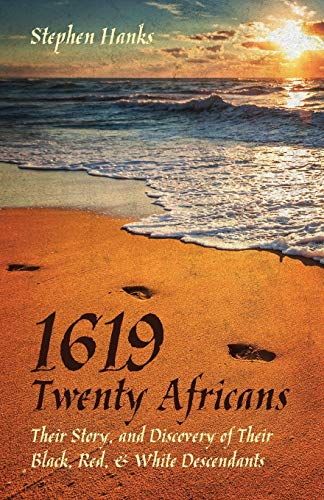 1619 - Twenty Africans...
Best Price: $13.95
Buy New $14.48
(as of 04:18 UTC - Details)
Well, it says a lot about a newspaper when its employees do not know the difference between ‘it’s’ and ‘its’ – twice in one sentence. Not only was this tweet embarrassing for America’s leading newspaper, it also showed journalists demanding that management censor and punish a fellow writer. As it happens, the union’s response was entirely in keeping with the woke sensibilities and behaviour of the Times newsroom. In June, employees exploded in a social-media hissy-fit after the Times published an op-ed by Republican senator Tom Cotton. That led to James Bennet, the opinion-page editor, losing his job. And these same employees, who are now so upset about Stephens for breaking the ‘rules’, had no hesitation in going after Bari Weiss, a Times editor who was the subject of persistent harassment and personal attacks for expressing traditional liberal views. Given the Times’s management’s record of bowing to the demands of the woke, Stephens may be the next one out the door.
1619 - Twenty Africans...
Best Price: $13.95
Buy New $14.48
(as of 04:18 UTC - Details)
Well, it says a lot about a newspaper when its employees do not know the difference between ‘it’s’ and ‘its’ – twice in one sentence. Not only was this tweet embarrassing for America’s leading newspaper, it also showed journalists demanding that management censor and punish a fellow writer. As it happens, the union’s response was entirely in keeping with the woke sensibilities and behaviour of the Times newsroom. In June, employees exploded in a social-media hissy-fit after the Times published an op-ed by Republican senator Tom Cotton. That led to James Bennet, the opinion-page editor, losing his job. And these same employees, who are now so upset about Stephens for breaking the ‘rules’, had no hesitation in going after Bari Weiss, a Times editor who was the subject of persistent harassment and personal attacks for expressing traditional liberal views. Given the Times’s management’s record of bowing to the demands of the woke, Stephens may be the next one out the door.
Copyright © Spiked
 The Clocks Struck Thirteen