

Recently by Mark Sisson: 1 Couple, 4 Months, 90 Pounds and NewfoundHealth
From the presence of vitamin D receptors in our cells and vitamin D factories in our epidermis, along with the central role vitamin D plays in calcium metabolism, immunity, and gene expression, it’s pretty clear that having adequate vitamin D is an essential component of being a healthy, successful homo sapien. And yet, many health practitioners suggest that vitamin D deficiency is one of the biggest nutrient deficiencies in modern society. The question, then, arises: What’s the best way to get enough vitamin D – via oral supplementation or sunlight?
To determine that, let’s examine a few common questions surrounding the various modes of intake.
Is it natural?
This is a big one. We obviously care about how nature shaped human evolution. Shouldn’t then our mode of obtaining vitamin D also be “natural”?
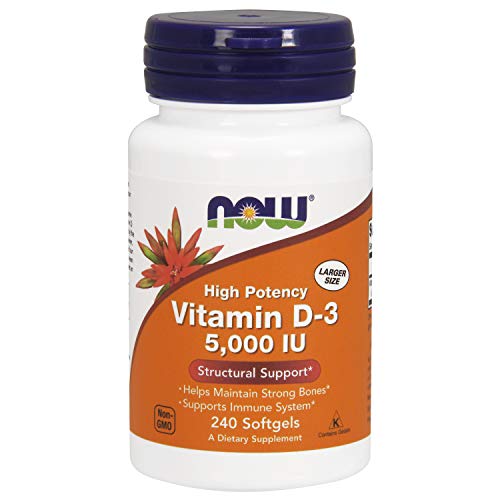 NOW Supplements, Vitam...
Buy New $9.92 ($0.04 / Count)
(as of 04:43 UTC - Details)
NOW Supplements, Vitam...
Buy New $9.92 ($0.04 / Count)
(as of 04:43 UTC - Details)

For us humans, getting vitamin D from sunlight is the clear winner if judged by this standard alone. We are basically hairless, upright apes for a reason, with hefty D3 requirements, and before oral supplements appeared, dietary vitamin D was not a very reliable source. We had to get it from the sun. Today, we’re still those same hairless, upright apes (albeit with different fashion trends and hygiene sensibilities), and we can still obtain vitamin D from UV-B radiation. Personally, I prefer getting my D3 from sunlight, simply because it’s enjoyable to spend time in the sun and it’s an effortless way to get something that’s critical to my health. But I don’t think it’s necessarily “better” than getting it through supplements. Nature’s way is quite often better, or at least more congruent with how we’re “intended” to work, but that doesn’t always preclude the effectiveness of modern methods.
Additionally, as a little added factoid, this is essentially the way fur-bearing mammals and birds obtain the bulk of their D3: orally. The oils in their fur/feathers produce D3, and preening/self-grooming results in oral intake, with diet rounding out the rest. Skin production is either inadequate or nonexistent. Now, we aren’t dogs or sparrows, but the mechanism for oral intake clearly exists across a wide variation of species.
 Know Your D: Optimizin...
Best Price: $17.13
(as of 02:45 UTC - Details)
Know Your D: Optimizin...
Best Price: $17.13
(as of 02:45 UTC - Details)
Yet another question arises: Does oral D3 differ – qualitatively – from solar D3?
Let’s examine the pathways – let’s see what happens when you produce or swallow vitamin D3.
When UV-B reacts with the 7-Dehydrocholesterol in your skin, cholecalciferol (D3) is produced and ends up in your liver, where it’s hydroxilated into calcidiol, also known as 25-hydroxyvitamin D or 25(OH)D.
When you swallow cholecalciferol (either in food or supplement), it ends up in your liver, where it’s hydroxilated into calcidiol, also known as 25-hydroxyvitamin D or 25(OH)D.
 The Primal Blueprint: ...
Best Price: $1.25
Buy New $4.70
(as of 12:45 UTC - Details)
The Primal Blueprint: ...
Best Price: $1.25
Buy New $4.70
(as of 12:45 UTC - Details)
From that point onward, it’s all the same. It’s all calcidiol, ready for storage in fat tissue or dispersal to the kidneys for conversion into calcitriol, also known as 1,25(OH)D. Calcitriol is the active hormonal form whose primary role is to regulate blood calcium levels. If there’s enough calcidiol left in the tank after the calcium duties, it gets sent to other tissues in the body to be converted into more calcitriol to fulfill even more roles. That’s where all the immune system/cancer cell/heart health/insulin sensitivity benefits begin to kick in, and it explains why having plenty of vitamin D available – beyond what’s only required to avoid rickets and monitor blood calcium – is so beneficial.
Both oral supplements/dietary sources and sunlight can get you there. Qualitatively, they are identical. The only difference is in the dosage. With oral D3, dosage can be consciously controlled, but it’s also subject to human error (or foolishness). You could conceivably keep popping capsule after capsule and end up with toxic blood levels. It’s difficult to do (one official site suggests the level might be in the millions of IUs), but it’s technically possible. When you sunbathe, on the other hand, you don’t consciously flip a mental switch that shuts down D3 production. Instead, you burn, or you grow uncomfortably hot. You – quite naturally – opt out of sun exposure before it gets too intense. As your skin darkens and you begin to tan, it produces less vitamin D, and you can stay out longer without burning, but it’s generally true that sun exposure up to the brink of turning pink is safe and will net you plenty of D3. In addition, it’s interesting to note that once you have produced enough vitamin D through sun exposure, those same UVB rays will begin to prevent excess vitamin D production by degrading existing cholecalciferol. Ain’t homeostasis grand?
So – sun or supplement? What should I do?

