


The Late George Apley
December 26, 2025
The Late George Apley — One of my favorite cinematic character studies in power elite analysis, gently satirical and rich with drama, told with delicate irony and incisive humor.
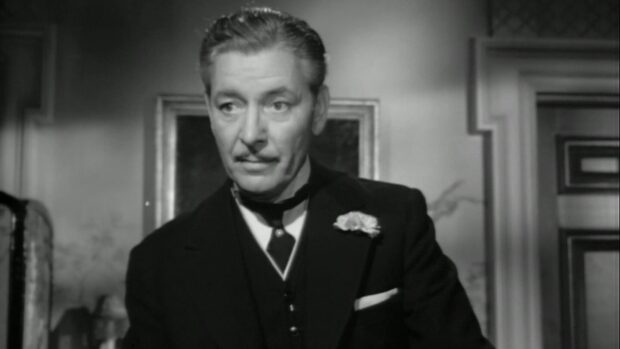
This is an excellent cinematic portrait of the diminishing fortunes of a distinguished elite Boston Brahmin family in the early years of the 20th century. Sweeping us into the inner sanctum of Boston society, into the cloistered Beacon Hill town houses and exclusive private clubs where only the city’s wealthiest and most powerful congregate.
The definitive role of George Apley was performed by the great Ronald Colman (1891–1958), a prominent British actor, known for his handsome features, distinctive voice, and romantic leading roles in Hollywood films from the silent era through the 1950s.
- Suavity and Grace: Rothbard admired Colman’s distinctive voice and refined acting style, often contrasting him with what he saw as the more “clunky” or “mumbling” actors of later eras.
- The Prisoner of Zenda (1937): Rothbard considered this film Colman’s finest hour. He praised Colman’s dual performance as King Rudolf V and Rudolf Rassendyll, viewing the film as a masterpiece of the “high romance” genre that celebrated individual honor and noble character.
- Lost Horizon (1937): Rothbard was a fan of Colman’s performance as Robert Conway. While he had mixed feelings about the utopian political implications of Shangri-La, he appreciated the film’s aesthetic and Colman’s portrayal of a man seeking a higher purpose.
- A Tale of Two Cities (1935): Rothbard cited Colman’s portrayal of Sydney Carton as the definitive version of the character, particularly praising the final sacrifice scene as a peak of cinematic emotional resonance.

 Background Resources on the Early Cold War