


Medical Authorities Continue to Block Effective Covid Treatment
August 29, 2020
The conflict of interest between clinical trials of drugs that determine their effectiveness and safety and the pharmaceutical industry that funds most of the trials is astonishing. Yet nothing is done about it. Two-thirds of the Federal Food and Drug Administration’s budget for evaluating prescription drugs comes from the industry that the FDA regulates. In other words, the regulator is financed by the entity that it is supposed to regulate.
“Human Drugs regulatory activities account for 33 percent of FDA’s budget; 65 percent of these activities are paid for by industry user fees (Oct 18, 2019).”
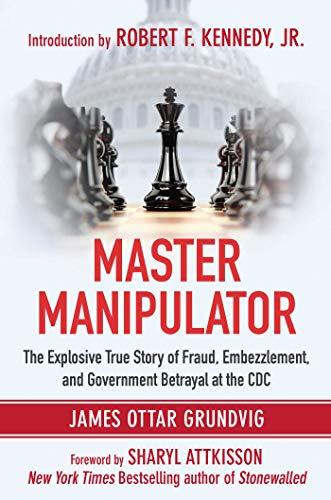 Master Manipulator: Th...
Best Price: $14.15
Buy New $17.78
(as of 05:25 UTC - Details)
Master Manipulator: Th...
Best Price: $14.15
Buy New $17.78
(as of 05:25 UTC - Details)

It is this corrupt conflict of interest that has blocked the HCQ treatment of Covid-19. Hundreds of thousands of people have died and many others have been left with impaired health, because Big Pharma used its influence over the FDA, NIH, CDC, and WHO to keep the pandemic alive until a vaccine could be rushed to market. In other words, profit, not health, has been the goal.
 Medical journals themselves have been corrupted. Dr. Marcia Angell, former editor of the new England Journal of Medicine says that “it is simply no longer possible to believe much of the clinical research that is pubished.” What passes for research is concocted “studies” to clear a drug for marketing.
This article discusses these themes.
This article provides details of the conspiracy between US public health agencies, the medical profession, and Big Pharma to sideline HCQ and clear Remdesiir at a cost of $3,120 per patients.
HCQ costs a couple of dollars.
The Best of Paul Craig Roberts
 Let’s Talk US Foreign Policy: It Is the Root Cause of Many Evils