


Never Fuhgeddaboudit
November 5, 2018
NEW YORK— I now know it by heart. Brooklyn Heights, that is. It takes 35 minutes by cab from where I live on the Upper East Side, and approximately $30. I even walked to the Heights once: one hour down the FDR, turn left onto the Brooklyn Bridge, dodge the aggressive bikers and avoid the vendors. It’s a twenty-minute crossing give or take ten minutes, depending on the crowds. After getting off and turning right, one’s there. The Heights is sedate and leafy streets, fine old homes turned into apartments, lush gardens, and lofty harbor views. It feels like a staid patrician neighborhood where time has stood still since the turn of the 20th century.
Brooklyn Heights was farmland when enterprising Heights property owners began to sell off plots for new homes to the Manhattan elite as country retreats. Mansions of brick and stone went up, and in 1883 came the Brooklyn Bridge. With it came rooming houses, machine shops, and factories. Waves of immigrants poured in—bohemians and hustlers and hookers and muggers also—the Brooklyn Navy Yard went up, and the patricians fled, as they always do. Bars and rowdy taverns greeted the sailors and ruffians from down by the water. This was the place where Norman Mailer’s mother chose to buy into, and where the novelist lived until his death in 2007. His son Michael still lives there, hence my acquaintance with the place. The Heights was the fictional home of Clark Kent, Superman, and the also-fictional setting for Willy Loman’s adulterous affair in Arthur Miller’s Death of a Salesman. Miller lived nearby before heading north.
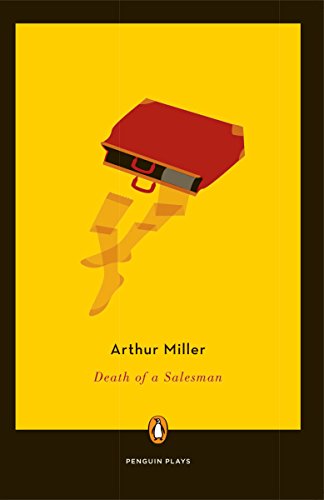 Death of a Salesman (P...
Best Price: $1.25
Buy New $7.15
(as of 06:15 UTC - Details)
Death of a Salesman (P...
Best Price: $1.25
Buy New $7.15
(as of 06:15 UTC - Details)
 The social terrorist Truman Capote lived in a basement flat at 70 Willow Street at a time when he could write good fiction. He moved to Manhattan, met all sorts of swells, took pills and drugs, and drank like an Irishman, and his talent went missing. He died bloated and unable to string a sentence together, verbally or on paper. That should be a lesson to all of us. In 1950 the greatest destructionist since Genghis Khan, Robert Moses, proposed to obliterate the Heights with an expressway straight through them, but Mailer and his ilk managed to limit the damage. Still, the city planner wreaked havoc. Houses that once were home to W.H. Auden, Gypsy Rose Lee, Benjamin Britten, and Paul and Jane Bowles went down the tubes. Walt Whitman and Hart Crane lived in the Heights, and as I have recently written, if General Howe had been looking down at the East River back in 1777 instead of carousing with his beloved brother the admiral, he would have seen George Washington’s ragtag army fleeing the Heights in silence for the safety of Manhattan.
Brooklyn Heights is back in fashion now because there is no more East Village, as in Greenwich Village. The onetime haunt of every bohemian artist and writer, it is now “gentrified” by social climbers, film stars, and billionaires who wish to be looked at as cool. Prices have gone through the you-know-what. Hotels in the Village are packed with tourists, the streets jammed with shoppers, the restaurants and clubs filled to the brim with freaks and wannabes. The French Connection was filmed in the Heights, including the crucial drug-smuggling scene on the waterfront below Brooklyn Heights. As was that wonderful movie Moonstruck, starring Cher and Nicolas Cage.
Copyright © 2018 TakiMag.com
The Best of Taki Theodoracopulos
 20,000 Armed Migrants Ready To Cross