


Secret Pagan Basilica in Rome Emerges From the Shadows After 2,000 Years
An underground chamber that was a place of worship for a mysterious cult 2,000 years ago has opened to the public for the first time
November 20, 2015
A mysterious Roman basilica built for the worship of an esoteric pagan cult and now lying hidden more than 40ft below street level has opened to the public for the first time.
The basilica, the only one of its kind in the world, was excavated from solid tufa volcanic rock on the outskirts of the imperial capital in the first century AD.
Lavishly decorated with stucco reliefs of gods, goddesses, panthers, winged cherubs and pygmies, it was discovered by accident in 1917 during the construction of a railway line from Rome to Cassino, a town to the south. An underground passageway caved in, revealing the entrance to the hidden chamber.
A painstaking restoration that has been going on for years has now reached the point where the 40ft-long basilica can be opened to visitors.
The subterranean basilica, which predates Christianity, was built by a rich Roman family who were devotees of a little-known cult called Neopythagoreanism.
Originating in the first century BC, it was a school of mystical Hellenistic philosophy that preached asceticism and was based on the writings of Pythagoras and Plato.
“There were lots of cults worshipped at the time and the empire was in general fairly tolerant towards them,” said Dr Giovanna Bandini, the director of the site. “But this one was seen as a threat because it discounted the idea of
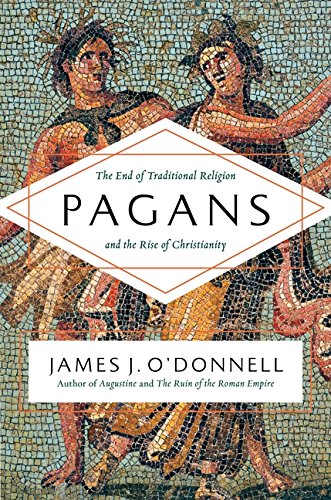 Pagans: The End of Tra...
Best Price: $3.82
Buy New $9.93
(as of 05:30 UTC - Details)
Pagans: The End of Tra...
Best Price: $3.82
Buy New $9.93
(as of 05:30 UTC - Details)
 the emperor as a divine mediator between mortals and the gods.”
The basilica is thought to have been constructed by the influential Statilius family.
But they were accused of practising black magic and illicit rites by Agrippina, the ruthless, scheming mother of the Emperor Nero.
The head of the family, Titus Statilius Taurus, was investigated by the Senate for what Tacitus in his Annals called “addiction to magical superstitions”. He protested his innocence but committed suicide in AD53.
The basilica eventually fell into disrepair and was sealed up during the reign of the Emperor Claudius before being forgotten about.
A dedicated team of experts is restoring the interior of the basilica, scrubbing away mould and removing encrusted deposits of calcium with chemicals, tools and lasers.
Copyright © 2015 The Telegraph
 Are You a Thug?