


No Yard? No Problem! You Can STILL Grow Food!
September 7, 2015
Everyone is talking about growing their own food. Lots of people are starting backyard gardens, filling pots on balconies and patios, and even starting little farms in the suburbs.
But not everyone has outdoor space. What if you are living in an apartment and have no place to even put a pot for a tomato plant? Does this mean you are completely at the mercy of other people if you want fresh food?
No! There are quite a few things you can do to produce your own food, even without a backyard or patio.
Here are two solutions that will work for nearly anyone, anywhere.
Windowsill garden
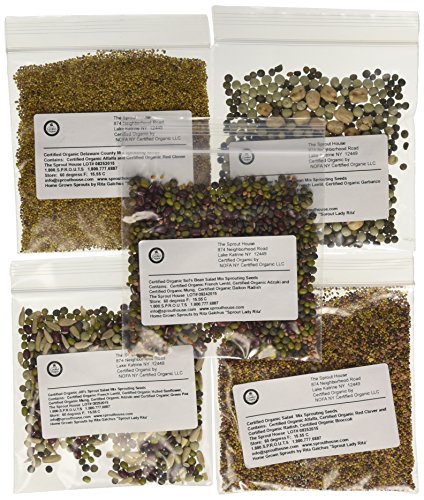 The Sprout House Assor...
Buy New $20.30
(as of 06:20 UTC - Details)
The Sprout House Assor...
Buy New $20.30
(as of 06:20 UTC - Details)

If you have a sunny windowsill, you can grow herbs and greens. Plants with shallow root systems can thrive in a small pot.
- Garlic Greens: Plant individual cloves of garlic, pointy side up. Once they grow, you can snip off the greens and use them like chives or green onion tops.
- Microgreens: In a shallow tray filled with about 2 inches of damp potting soil, sprinkle seeds like radish, kale, Swiss chard, beet, basil, and dill. Add a thin layer of soil on top of the seeds. Place them in a sunny window, but a cool place (about 70 degrees Fahrenheit) and mist them with water once or twice per day. Harvest when they are about 2 inches tall by snipping off the leaves with scissors. (Leaving the roots intact will allow for more harvests in the future)
- Green Onions: Plant green onions in a shallow pot. Place them in a sunny windowsill and keep them evenly watered. When the plant is about 4-6 inches tall, they can be harvested in full, including the white bulb at the bottom.
- Lettuce: Lettuce seeds require similar conditions to microgreens, but need to be planted a bit deeper and further apart. Use a planter with good drainage and place holes about 4 inches apart. Sprinkle a few seeds in each
 The Prepperu2019s Blue...
Best Price: $11.98
Buy New $18.98
(as of 02:20 UTC - Details)
hole. In about 3 weeks, thin the plants, leaving the largest seedling. When it’s time to harvest, take the outer leaves only to allow for repeat harvests.
The Prepperu2019s Blue...
Best Price: $11.98
Buy New $18.98
(as of 02:20 UTC - Details)
hole. In about 3 weeks, thin the plants, leaving the largest seedling. When it’s time to harvest, take the outer leaves only to allow for repeat harvests. - Herbs: A warm, sun-filled window sill is the perfect habitat for herbs like chives, basil, rosemary, parsley, mint, and thyme. Look for pots with good drainage that are at least 6 inches deep. Keep the herbs moist initially but after they’ve sprouted and begun to get leaves, they prefer slightly dryer soil. Harvest by clipping the leaves on an as-needed basis.
Sprouting
Sprouting can take a dormant seed and turn it into a nutritional powerhouse in a couple of weeks.
In her book, The Pantry Primer, Daisy Luther explains how to sprout seeds:
Probably the very most common sprout container is a Mason jar with a screen over the top. However, this isn’t the simplest method.
There are inexpensive trays that are specially made for sprouting darned near anything successfully. My set up is a stack of trays that measure 5×6. You can stack as many of them as you want to.
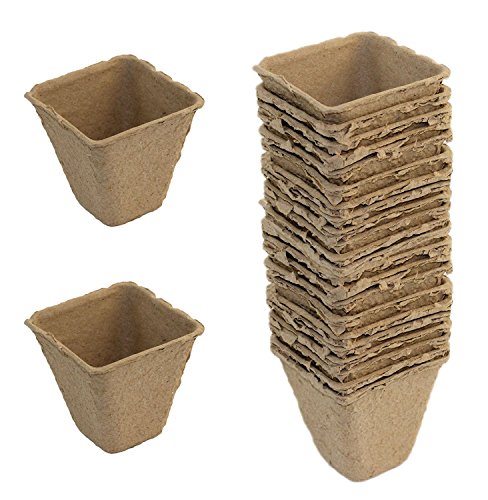 Bosrahl Pack of 24 Bio...
Check Amazon for Pricing.
Bosrahl Pack of 24 Bio...
Check Amazon for Pricing.
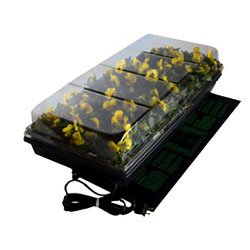 Heated Seed Germinatio...
Best Price: $21.09
Buy New $23.71
(as of 11:55 UTC - Details)
Heated Seed Germinatio...
Best Price: $21.09
Buy New $23.71
(as of 11:55 UTC - Details)
 The Pantry Primer: A P...
Best Price: $34.00
(as of 05:05 UTC - Details)
The Pantry Primer: A P...
Best Price: $34.00
(as of 05:05 UTC - Details)
 The Stock Market Is Toxic