


What's Green, Slimy and Good for You?
June 2, 2010
The nutritional benefits of sea greens have long been recognised: pound for pound, seaweed contains more iron than sirloin steak, more calcium than cheese, and more fibre than prunes.
With an unusually high proportion of protein – as much as 48 per cent in some varieties – seaweed is also richer in essential vitamins and micronutrients than any other food group. A prime source of bodybuilding minerals such as iodine and potassium, it is also the only plant source of vitamin B12, which is necessary for the production of red blood cells, and which is often lacking in meat-free diets.
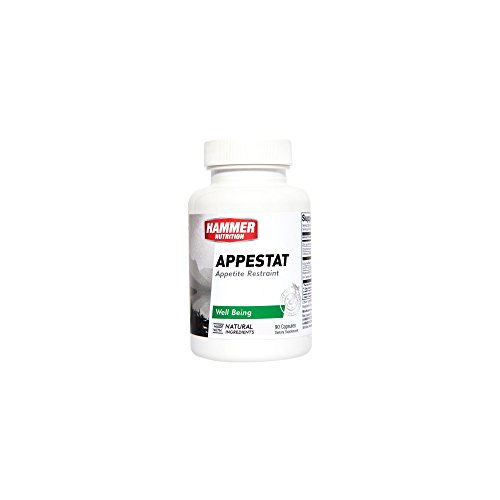 Hammer Nutrition Appes...
Check Amazon for Pricing.
Hammer Nutrition Appes...
Check Amazon for Pricing.

According to recent research, seaweed – which is part of the algae family – also contains a host of bioactive substances proven to lower cholesterol, reduce blood pressure, promote healthy digestion and even tackle the free radicals that can cause cancer. Some studies suggest that seaweed might also aid weight loss.
The brackish fingers that get washed up on the beach contain more sand than a seafront sandwich, which is why seaweed-hunters cut theirs fresh, from the submerged rocks on which it grows, rather than collect the scrags along the shoreline. Among seaweed’s greatest consumers are the Japanese, who eat so much of it – more than 4kg per head a year – that certain varieties, such as wakame (kelp) and kombu (sugar kelp), are known globally by their Japanese names.
Scientists have long believed that iodine-rich algaes such as seaweed play a role in reducing the incidence of cancer among Japanese women. Preliminary research published by the American Association for Cancer Research in March found seaweed extracts can also inhibit the growth of cancer cells that lead to lymphoma.
Seaweed extracts are already used to combat obesity, notably in diet pills and appetite suppressants such as Appesat. Researchers at the University of Newcastle have found that alginates – seaweed fibres – can also significantly reduce the body’s absorption of fat. Some claim that this opens a new front in the war on weight problems and related issues, including diabetes and heart disease. Additionally, as the metabolism is stimulated by iodine, seaweed might be a useful for people with underactive thyroids.
Dr Iain Brownlee, research associate in human nutrition at Newcastle, said: "We’ve found that by adding these natural fibres to food products, up to 75 per cent of the fat we consume could simply pass through the body – so in theory it could be used to fight obesity. Alginates could be used in place of the fat that gives food its flavour. In tests, people have actually preferred bread with small levels of alginate in it – so it’s not something you have to force yourself to eat."
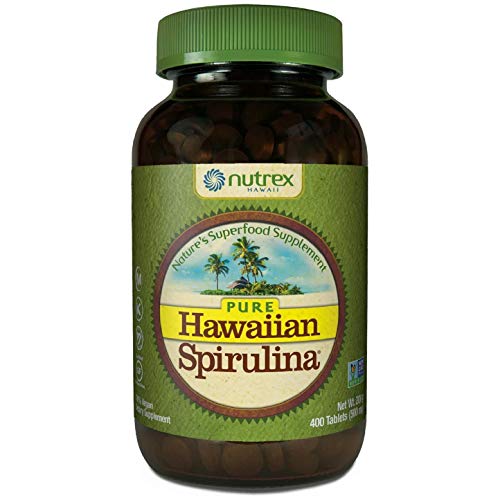 Nutrex Hawaii Pure Haw...
Buy New $33.99 ($0.08 / Count)
(as of 12:00 UTC - Details)
Nutrex Hawaii Pure Haw...
Buy New $33.99 ($0.08 / Count)
(as of 12:00 UTC - Details)
Despite being a saltwater foodstuff, seaweeds don’t taste particularly fishy, but instead enhance existing flavours. The NHS is investigating whether adding it to meals can help elderly patients recover their appetites, following an Age Concern-funded initiative involving researchers from Reading University and Michelin-starred chef Heston Blumenthal. Dr Lisa Methven, lead researcher on the project, explained: "As people get older their taste buds fade. Sense of smell is also depleted. Flavour can be enhanced by use of monosodium glutamate, but our approach is to find a natural source for improved flavour."
Blumenthal has long been a fan of seaweeds, using several varieties (particularly kombu) at his Fat Duck restaurant to add taste and flavour to meat dishes. "Seaweed is full of properties that boost what the Japanese call umami, the fifth taste, commonly referred to as "savouriness"," he says. "It brings out the meatiness in a dish as well as adding an exciting and unexpected burst of flavour."
So why don’t we cook with seaweed more? It’s a bountiful, natural resource, growing freely on rocks around our coastline. As a foodstuff, it’s easier to prepare than most Sunday lunch veg – a quick rinse with a kettle of boiling water is often all that’s needed to turn a brown clump into a plate of sprightly greens. It can also be baked dry on a high heat then crumbled to thicken broths, or be eaten as delicate crisps. Yet seaweed is mostly overlooked by the British. Why? Because it’s not something you can buy on your big weekly shop at the supermarket.
Dried seaweed is available in oriental groceries and health food shops. But outside Wales, where seaweed is used traditionally to make laver bread, it’s almost impossible to buy fresh in the UK.
June 2, 2010
 Why English Men Love Their Lawns