

Staying in bed on the weekends won’t make up for a weeks’ worth of sleep deprivation. A new study finds that going long periods without sleep can lead to a sort of "sleep debt" that cannot simply be undone with extra sleep later.
Such chronic sleep loss may eventually interfere with a person’s performance on tasks that require focus, becoming particularly noticeable at nighttime. This could be due to the effects of your natural sleep-wake cycle, or circadian rhythm.
Your natural tendency to want to be awake during the day may mask signs of sleep debt when it’s light out. But this protective effect may go away as darkness arrives.
Further, just 10 percent of adolescents are getting the optimal hours of sleep each night.
Here’s how parents can help teens get the most possible sleep, despite the demands of school and work:
- Teenagers should stick to a consistent bedtime, preferably before 10 PM
- Keep sleep and wake times as consistent as possible from day to day; maintaining a more regular sleep schedule makes it easier to fall asleep
- Don’t sleep in – strive to wake up no more than two to three hours later on weekends to keep biological clocks on cycle
Sources:
Dr. Mercola’s Comments:
According to a 2007 survey of 12- to 16-year-olds, 25 percent fell asleep with the TV, computer, stereo, iPod headphones or other electronic gadgets on. The same survey revealed these teens only received four to seven hours of sleep each night.
Other studies show that adolescents actually have a different circadian rhythm than children or adults. Teenagers experience a temporary resetting of their body clocks which prompts them to fall asleep and wake up later.
The hormone melatonin is produced later at night for teens, which can make it hard for them to fall asleep at an earlier hour. This temporary adjustment in their body clocks is one of the reasons young adults don’t get the amount of sleep they require.
In addition to a shortage of rest, the quality of sleep these kids get can be very poor.
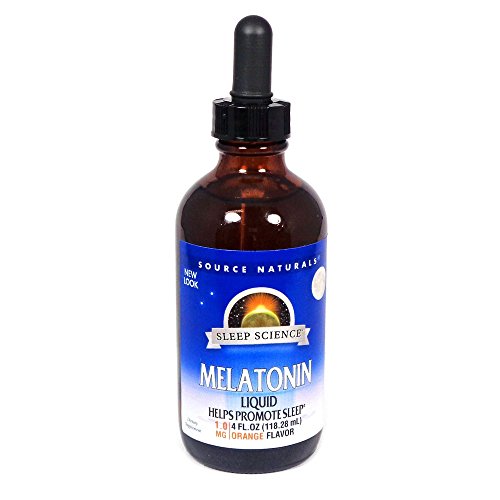 Source Naturals Sleep ...
Buy New $30.78
(as of 10:41 UTC - Details)
Source Naturals Sleep ...
Buy New $30.78
(as of 10:41 UTC - Details)

In order to get the highest quality sleep, you need to be in a room that is dark as possible. Even the slightest bit of light can disrupt your body’s circadian rhythm and production of melatonin and serotonin, two hormones vital to your health.
Artificial Light and Your Wake/Sleep Cycle
The invention of electrical lighting has been both a boon and a bust. The benefits of artificial light are obvious, but what about the drawbacks?
One of them has to do with how long and how well people sleep these days.
When artificial lighting was introduced, it increased the amount of daytime hours and decreased the number of hours of an average night’s sleep down to seven.
Circadian rhythms are no longer able to adjust to a predictable pattern of daytime and darkness, which has created a chronic modern day sleep deficit and potentially devastating health consequences.
The Dangers of Underestimating Your Sleep Requirements
Sleep deprivation is such a chronic condition these days you might not even realize you suffer from it. You might assume, since you rise when the alarm clock rings and feel reasonably alert once you’re up and moving, that the sleep you’re getting is adequate.
If you’ve shorted yourself on hours and your quality of sleep for any length of time, it’s likely your state of sleep deprivation feels normal to you.
Researchers, however, will tell you that a sleep deficit can have serious, far-reaching effects on your health. Among them:
- A single night of sleeping only four to six hours can impact your ability to think clearly the next day.
- Good sleepers and poor sleepers experience about the same number of daily minor stressful events, but good sleepers are less disturbed by them. Poor sleepers experience life events as being more negative than do those who sleep well.
- Sleep deprivation can cause changes in your brain activity similar to those experienced by people with psychiatric disorders.
- Sleep deprivation puts your body into a pre-diabetic state, and makes you feel hungry, even if you’ve already eaten.
- Interrupted sleep can dramatically weaken your immune system.
- Tumors grow two to three times faster in laboratory animals with severe sleep dysfunctions.
 L-Tryptophan (500mg)
Check Amazon for Pricing.
L-Tryptophan (500mg)
Check Amazon for Pricing.
How Lack of Sleep Damages Your Health
Melatonin is an antioxidant that helps to suppress harmful free radicals in your body and slows the production of estrogen, which can activate cancer. When your circadian rhythm is disrupted, your body may produce less melatonin and therefore may have less ability to fight cancer.
Exposure to light while your body is trying to sleep activates your stress response and weakens your immune system, which is why irregular sleep cycles can lead to stress-related disorders including:
- Constipation
- Stomach ulcers
- Depression
- Heart disease
A disrupted body clock can wreak havoc on your weight. Losing sleep raises levels of two hormones linked with appetite and eating behavior. Sleep deprivation reduces leptin, a hormone that tells your brain you’re satiated, and increases ghrelin, a hormone that triggers hunger.
Lack of sleep can destroy your memory. If your internal clock isn’t functioning properly, it causes the release of too much GABA, the brain-inhibiting neurotransmitter. According to the results of the Stanford study, an excess of GABA inhibits the brain in a way that leads to short-term memory problems and the inability to retain new information.
Sleep deprivation ages you. Lack of sleep interferes with metabolism and hormone production in a way that is similar to the effects of aging and the early stages of diabetes. Chronic sleep loss may speed the onset or increase the severity of age-related conditions such as type 2 diabetes, high blood pressure, obesity, and memory loss.
More Ways to Disrupt Your Body Clock
Artificial lights aren’t the only way you can disturb your circadian rhythm. You can also confuse your body’s sleep/wake cycle by:
- Staying up late
- Working the night shift
- Using a night light
- Switching time zones (jet lag)
- Eating in the middle of the night or too close to bedtime
Many of your major organs and body systems have their own internal clocks. These clocks influence everything from your body temperature to hormone production to your heart rate. When these clocks are out of whack, all kinds of things can happen which impact your daily life and your overall health.
A Debt You Can’t Repay
For most people who don’t sleep well, it has become a pattern and not just an occasional night of restlessness.
A chronic lack of high-quality sleep simply cannot be recovered. You can’t stockpile a supply to use later, nor can you pay your body’s sleep debt back.
You may feel rested and sharper after sleeping in, but the benefit is temporary and can be compared to depositing money in your account then withdrawing it again a day or two later.
Lost sleep is lost forever, and persistent lack of sleep has a cumulative effect when it comes to the havoc it can wreak on your health.
How to Get the Amount of Sleep Your Body Needs
As a general rule, adults need between six and nine hours of sleep a night. Most adolescents and teens do best with at least nine hours a night.
There are, of course, exceptions – some people can function well on less than six hours and others need more than nine.
Other factors that can affect your sleep requirements include illness, emotional stress, and the time of year (some folks need more sleep during winter months). If you’re pregnant you might require more sleep, especially during your first trimester.
If you feel tired when you first wake up, you probably aren’t getting sufficient sleep. It’s best to observe how you feel immediately upon awakening rather than after you’re up and moving around.
Those first few moments of wakefulness, before your mind fully kicks into gear, are a better measure of how your body is feeling.
Some tips for getting good quality sleep include:
- Avoid before-bed snacks, particularly grains and sugars. This will raise blood sugar and inhibit sleep. Later, when blood sugar drops too low (hypoglycemia), you might wake up and not be able to fall back asleep.
- No TV right before bed. Even better, get the TV out of the bedroom or even out of the house, completely. It is too stimulating to your brain and it will take longer to fall asleep.
- Wear socks to bed. Your feet will often feel cold before the rest of your body. A study has shown that wearing socks reduces night waking.
- Get to bed fairly early. Our systems, particularly our adrenals, do a majority of their recharging or recovering between the hours of 11PM and 1AM.
- Keep the temperature in your bedroom no higher than 70 degrees F. Many people keep their homes and particularly the upstairs bedrooms too hot.
- Eat a high-protein snack several hours before bed. This can provide the L-tryptophan need to produce melatonin and serotonin.
 Generation XL: Raising...
Best Price: $0.25
Buy New $8.00
(as of 10:15 UTC - Details)
Generation XL: Raising...
Best Price: $0.25
Buy New $8.00
(as of 10:15 UTC - Details)
For a comprehensive list of practical solutions for sleep problems, be sure to read my 33 Secrets to a Good Night’s Sleep.
If you have trouble falling or staying asleep because your mind is racing or you’re emotionally overwhelmed, I recommend you use Emotional Freedom Techniques (EFT) for insomnia.
Quality Sleep is One of the Pillars of Good Health
Sleep is one of your most precious resources. You undervalue its importance to your health, longevity and the quality of your life at your peril.
Just like exercise, the health benefits you receive every night from sleep depend on how long you spend at it and the quality of it.
Just as eating for your nutritional type provides your body with a solid foundation for health, so does good sleep.
And just as processing your emotions and stressful events in a productive way helps you remove the barriers to achieving optimal health and fitness, adequate high-quality sleep is also a core building block for a lifetime of wellness.
Related Links:
- 12-Hour Work Days Unhealthy
- Harnessing Brain Protein The Key to Anxiety, Sleep Disorders?
- Sleep Debt Affects Female Fertility Too
February 3, 2010

