


The Federal War on Vitamins and Supplements
April 26, 2004
Will CODEX Protect Your DNA?
by Bill Sardi by Bill Sardi
Home | About | Columnists | Blog | Subscribe | Donate
What’s next in nutritional medicine? It’s a field called NUTRIGENOMICS and it has pharmaceutical and food companies drooling. Why? Because scientists now claim that individualized diets and pharmaceuticals can be designed around a person’s specific genetic makeup. "The pharmaceutical industry expects to leverage data from the Human Genome Project to develop new drugs based on the genetic constitution of the patient; likewise, the food industry has opportunity to position food and nutritional bioactives to promote health and prevent disease based upon the genetic constitution of the consumer," says a recent report. [J Am Dietetic Assn 103: S50-55, 2003] Notice there was no mention of vitamin pills, just drugs and foods.
Since there are genetic differences in the way humans metabolize foods, what researchers are suggesting is that "humans must be fed differently according to the differences in their genetics and metabolic needs." [Journal Nutrition 133: 4260-66, 2003] Tell that to a 14-year old who likes to wash down cookies with soda pop daily.
"In less than 10 years you’ll be able to go to a lab and complete a set of genetic tests to identify your personal disease susceptibilities. When you leave you will be armed with a list of foods to eat and foods to avoid and a recommendation of dietary supplements to help prevent your diseases," says the CEO of a startup nutrigenomics company.
Who’s going to pay for the technology?
"Imagine the possibility to identify small subgroups based on their individual genome, create products to satisfy their needs and then to market diets and products directly to them," says one researcher. But who is going to pay for all this new technology? Healthcare costs are soaring already. A drug-company advisor admits it currently costs $150 or more to identify each of a person’s genetic flaws. [Nutrigenomics: The next wave in nutrition research, N. Fogg-Johnson] A hundred people would be screened at a cost of thousands of dollar to find one person whose genes are flawed and needs a gene-prescribed diet plan. It isn’t even plausible. But researchers tread onward, raising capital for startup companies that they say will some day employ these technologies for the benefit of mankind.
Misdirected scientists
It’s nothing new for scientists to move in the wrong direction. DNA wasn’t discovered till the 1950s. Scientists then claimed DNA is the very mechanism for Darwinian evolution. Mutations in genes would cause new species. It wasn’t recently that the human genome was fully mapped. Remarkably, homo sapiens, considered the "most highly evolved" form of life, doesn’t have the most number of genes. The human genome is comparatively small, only about 30,000 genes, compared to a rice kernel with 60,000 genes. In reality, Darwinian evolution has never been observed or demonstrated and gene mutations produce disease, not advancements in the species. Nutrigenomics recognizes this fact. A mutation or break in DNA leads to disease, not a new and more evolved species. Scientists proceed onward never recognizing their findings are a direct contradiction with the universal assumption of Darwinian evolution they were taught in school.
Nutrient DNA protection
It is widely known that deficiencies of certain nutrients, such as vitamin B12, folic acid, niacin, vitamin C or zinc can mimic the DNA damage caused by radiation. A shortage of folic acid leads to breaks in DNA. Why not fortify diets and provide nutrient levels in vitamin pills at the dosage that would adequately protect DNA in the population at large?
While researchers are attempting to pinpoint which people have certain genetic tendencies to develop disease, what goes unsaid is that all humans are 99.9% identical at the gene sequence level. A deficiency of folic acid, a B vitamin required for DNA repair, will affect all, not just a few. Humans don’t need sophisticated nor expensive pharmaceuticals to protect and repair their DNA. They may only need inexpensive nutrients, available without prescription.
How much to protect DNA?
So, just how much of these nutrients would be needed to protect our DNA? Another report says: "The goal of the nutritional sciences is to establish a scientifically-based Recommended Dietary Allowance for each nutrient," which is defined as the level of intake sufficient to meet the needs of 97% of healthy individuals. However, high-dose nutrients may pose problems and therefore an "upper tolerable intake level" may need to be established. Here’s where nutrigenomics gets interesting. The level of nutrients required to adequately protect DNA strand breaks and promote DNA repair is likely to be close to or exceed the "tolerable upper intake level." When consumers read "tolerable upper limit" for vitamin and minerals they often assume that is the toxic level. The proper term is Safe Upper Limit with the toxic dose usually five times above that.
Nutrigenomicists assert that "Nutritional interventions that target entire populations must consider adverse consequences to genetic minorities that may accrue risk while others benefit." [Physiological Genomics 16: 161-65, 2004] This statement assumes some will overdose while others may benefit from certain levels of nutrient fortification. This may be an unfounded fear.
For example, the toxic level for vitamin D is 40,000 IU per day, which only materializes after months have passed. [Am J Clin Nutrition 69: 842-56, 1999] The Safe Upper Limit is 2000 IU. Up to 4000 IU of vitamin D has been consumed without side effect. [Am J Clin Nutrition 73: 288-94, 2001] Blacks, who produce far less solar-controlled vitamin D due to their genetically-controlled dark skin pigmentation, will likely require far more vitamin D than others in the population. Blacks in northern latitudes would be at even higher risk and need greater amounts of vitamin D, more than any fortified diet could provide. But the "experts" keep warning the public away from high-dose vitamin D like it were some sort of poison. Standing in the sun on a summer day in Arizona for an hour at noontime in your shorts would produce 10,000 IU of natural vitamin D! How could 2000 IU be of concern in a vitamin pill?
How much folic acid to protect DNA?
Folic acid-preventable birth defects (spina bifida and anencephaly) are pandemic, affecting 225,000 children a year. [Community Genetics 5: 70-7, 2002]. Food fortification of folic acid is insufficient to prevent birth defects. [Community Genetics 5: 70-7, 2002] Due to a genetic flaw, about 35% of the population cannot adequately absorb folic acid from foods. The bioavailability of folic acid from supplements is roughly double that from food. [J Gender Specific Medicine 2: 24-28, 1999]
A significant number of females who have given birth to deformed babies are now being given 4000 mcg of folic acid to prevent defects in future births. [J Perinat Neonatal Nursing 17: 268-79, 2003]. That is more than 10 times the Recommended Daily Intake level. The intake of this much folic acid would more than cut in half the number of deformed babies. [The Lancet 358: 2069-73, 2001] Why wait till for 100,000 more deformed babies to be born annually and only then prescribe folic acid pills to high-risk mothers to prevent future birth defects? The only drawback is folic acid may hide a vitamin B12 deficiency, so give both of these vitamins together. [British Medical Journal 328: 769, 2004] Why not begin a massive vitamin fortification program now among fertile women and provide them with supplements at no charge? We could be producing "genetically protected" babies immediately. We don’t need genetic screening like the nutrigenomicists propose. We need applied science.
The US National Academy of Sciences suggests an upper level of 1000 mcg for folic acid. This upper limit may become a worldwide standard when a governing body called CODEX convenes at future assemblies. A World Health Organization document says "400 mcg/day of folic acid, in addition to dietary folate, would seem safe. There is probably no great risk of toxicity at a range between 400 and 1000 g of folic acid per day with the exception of some increased difficulty in diagnosing pernicious anemia resulting from the masking of the B12 deficiency anemia." With wording like this, consumers will be misled into thinking 1000 mcg is potentially toxic and will not exceed 400 mcg of supplemental folic acid. Usually there are tremendous precautions made when suggesting any chemical during pregnancy. But health authorities are recommending 4000 mcg of folic acid for high-risk women during pregnancy! What kind of harm could come to the public if high-dose folic acid is safe for use by pregnant females?
One researcher has already determined that healthy adults require a minimum of 700 mcg of folic acid to protect and repair their DNA. [Mutation Research 475: 57-67, 2001] That’s nearly double the Recommended Daily Allowance. This is the amount for healthy individuals, not sick people.
How much vitamin C to protect DNA?
 How much vitamin C would be required to protect human DNA? The typical American diet provides about 110 mg of vitamin C. Supplements typically provide anywhere from 60-200 mg of vitamin C. However a recent animal study showed that it takes ~1400 mg equivalent human dose of vitamin C to completely prevent DNA damage caused by lead toxicity. [Ann Nutr Metab. 47: 294-301, 2003] Dietary sources of vitamin C would be insufficient. But again the "experts" have attempted to scare the public away from high-dose vitamin C. A scientific report given tremendous distribution by the news media was the false claim that high-dose vitamin C actually has the potential to damage DNA. This was only demonstrated in a test tube. [Science 292: 2083-86, 2001] Actually, upon review it was found that there were at least five human studies showing up to 10,000 mg of vitamin C does not damage DNA. [Science 293: 1993-95, 2001]
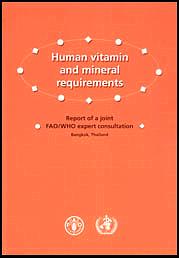
A World Health Organization document, to be used as a worldwide standard, suggests adults only need 45 milligrams of vitamin C. [Report of a joint FAO/WHO expert consultation, Bangkok, Thailand, WORLD HEALTH ORGANIZATION FOOD AND AGRICULTURE ORGANIZATION OF THE UNITED NATIONS, Rome, 2002.] This would obviously be far less than the amount of vitamin C needed to protect human DNA.
Multivitamins have already been recommended by this reporter. Mixed antioxidant supplements already have been shown to reduce genetic damage. [Mutagenesis 18: 371-6, 2003] Why should health authorities continue to hold up on advice to take a daily multivitamin any longer?
NUTRIENT DEFICIENCY AND DNA DAMAGE
Nutrient
% US Population Deficient
DNA Damage
Health Effects
Folic acid
10%
Chromosome breaks; hampers DNA repair
Colon cancer, heart disease, brain dysfunction
Vitamin B12
4% (may be 40% in the elderly)
Unknown
Same as folic acid, memory loss
Vitamin B6
10%
Same as folic acid
Niacin
2%
Hampers DNA repair
Nerve problems, memory loss
Vitamin C
15%
Mimics radiation damage
Cataracts, cancer
Vitamin E
20% (may be 95%)
Mimics radiation damage
Colon cancer, heart disease, immune dysfunction
Vitamin D
40%
Prevents gene variations
Colon, breast, prostate cancer
Zinc
18%
Chromosome breaks
Brain and immune dysfunction
Source: Adapted from UC Davis Center for Excellence Nutritional Genomics
CODEX wants to limit your antioxidant protection
What is important here is that upcoming CODEX meetings intend to establish worldwide upper limits on supplemental vitamins and minerals. The Codex Alimentarius Commission is a world body created in 1963 World Health Organization to develop food standards and ensure fair trade practices. See the report on the World Health Organization Proposed Human Vitamin and Mineral Requirements.
Every country in the world may be coerced by CODEX to limit the amount of antioxidant nutrients in vitamin pills to prevent unfair competition and prevent alleged side effects from high-dose nutrients. These upper limits are likely to be far below the levels required for adequate protection of human DNA.
The USA has a representative delegation that attends CODEX. You can voice your opposition to any proposed limitations or upper limits on the dosage of vitamins and minerals in dietary supplements by contacting: Elizabeth Yetley, U.S. Delegate
Codex Committee on Nutrition and Foods for Special Dietary Uses, Food & Drug Administration. Indicate you are aware that recent scientific studies now indicate, for the first time, that humanity may be able to protect DNA from oxidative damage and that you oppose any limitations on the dosage of vitamins and minerals until more research is conducted. Here is your way of easily contacting the US CODEX delegation.
 Colonizing Iraq?