


Do Cold Temperatures Improve Sleep?
December 21, 2009
Studies have found that in general, the optimal temperature for sleep is quite cool, around 60 to 68 degrees Fahrenheit. Temperatures that fall too far below or above this range can lead to restlessness.
Temperatures in this range help facilitate the decrease in core body temperature that in turn initiates sleepiness. A growing number of studies are finding that temperature regulation plays a role in many cases of chronic insomnia.
Researchers have shown, for example, that insomniacs tend to have a warmer core body temperature than normal sleepers just before bed, which leads to heightened arousal and a struggle to fall asleep.
For troubled sleepers, a cool room and a hot-water bottle placed at the feet, which rapidly dilates blood vessels and therefore actually helps lower core temperature, can push the internal thermostat to a better setting.
Sources:
Dr. Mercola’s Comments:
America is a nation of insomniacs. At least 25 percent of Americans say they frequently have problems getting a complete and restful night’s sleep and at least 40 million Americans suffer each year from chronic, long-term sleep disorders.
 Sleep Master Sleep Mask
Buy New $25.90
(as of 07:30 UTC - Details)
Sleep Master Sleep Mask
Buy New $25.90
(as of 07:30 UTC - Details)

Considering human beings spend about one-third of their lives asleep, you’d think we’d all be pros at it! In reality, insomnia is the most common sleep complaint in the United States and about 30–40 percent of adults have insomnia symptoms in any given year!
This is why I absolutely love sharing simple tips like the one above, as giving some thought to your bedroom temperature may help you get a good night’s sleep.
Why Temperature is So Important to Sleep
Thermoregulation – your body’s heat distribution system – is strongly linked to sleep cycles. Even lying down increases sleepiness by redistributing heat in your body from the core to the periphery.
When you sleep, your body’s internal temperature actually drops to its lowest level, generally about four hours after you fall asleep. Scientists believe a cooler bedroom may therefore be most conducive to sleep, since it mimics your body’s natural temperature drop.
This is also why taking a warm bath 90 to 120 minutes before bedtime may also help you sleep; it increases your core body temperature, and when it abruptly drops when you get out of the bath, it signals your body that you are ready for sleep.
While there’s no set consensus as to what temperature will help you sleep the best, in most cases any temperature above 75 degrees Fahrenheit and below 54 degrees will interfere with your sleep.
Once you’re within that range, many factors can influence which temperature is best for you including, of course, your choice of pajamas and bedding. Most people, however, will find they sleep best by keeping the temperature in their bedroom no higher than 70 degrees F and perhaps even a bit lower than that.
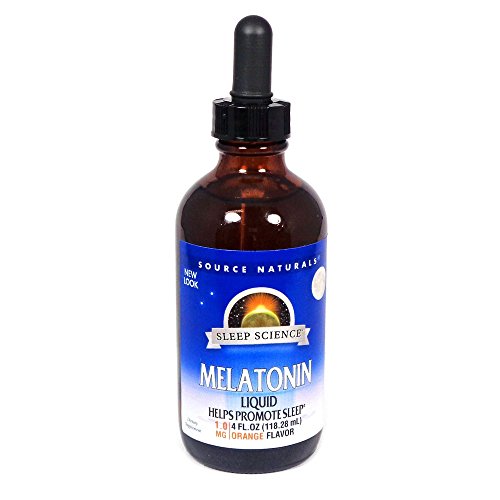 Source Naturals Sleep ...
Buy New $30.78
(as of 10:41 UTC - Details)
Source Naturals Sleep ...
Buy New $30.78
(as of 10:41 UTC - Details)
Interestingly, while a cool room and a lower core temperature may help you sleep better, cold hands and feet will not. Because blood flow is a prime method of distributing heat evenly throughout your body, if your extremities are cold it could be a sign of poor blood flow, which results in sleeplessness.
The solution for this is simple: put on a pair of warm socks or place a hot water bottle near your feet.
Get this Wrong and You Will INCREASE Your Risk of Cancer
Light. Or more specifically, making sure there’s none of it in your bedroom.
Your sleeping patterns are actually governed by light, and any source of light – even one as tiny as the green glow from your clock radio – could be interfering with your ability to sleep, and more importantly, your long term health and risk of developing cancer.
While it’s typically thought that your biological clock is what tells you when it’s time to wake up or go to sleep, light and dark signals actually control your biological clock. To get more specific, a part of your brain called the Suprachiasmatic Nucleus (SCN) – a group of cells in your hypothalamus – controls your biological clock. And the cells that make up your SCN respond to light and dark signals.
Light actually travels through your eye’s optic nerve to your SCN, where it signals your body’s clock that it’s time to wake up. Light also signals your SCN to initiate other processes associated with being awake, such as raising your body temperature and producing hormones like cortisol.
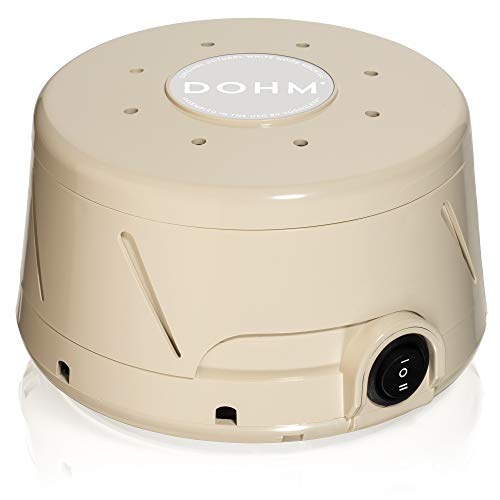 Yogasleep Dohm Classic...
Best Price: $37.52
Buy New $40.78
(as of 11:10 UTC - Details)
Yogasleep Dohm Classic...
Best Price: $37.52
Buy New $40.78
(as of 11:10 UTC - Details)
Meanwhile, when your eyes signal to your SCN that it’s dark outside, your body will begin to produce melatonin, a hormone that helps you sleep and radically decreases your risk of cancer. There are many studies on this powerful association. The more your sleep is disrupted by light pollution, the lower your melatonin levels and the greater your risk of developing cancer becomes.
Melatonin is secreted primarily in your brain and at night it triggers a host of biochemical activities, including a nocturnal reduction in your body’s estrogen levels. It’s thought that chronically decreasing your melatonin production at night – as occurs when you’re exposed to nighttime light – increases your risk of developing cancer.
So PLEASE make sure you sleep in a pitch-dark room. If you need a light to go to the bathroom at night then use a red flashlight as that is a wavelength that will allow you to see but will not interfere with melatonin production.
The moment your body sees the smallest bit of non-red light at night, it will virtually shut off the production of melatonin, and don’t think that popping a pill will counteract this. Remember it is FAR better to let your body produce the perfect amount of melatonin rather than you second guess it and swallow a pill.
Personally, I sleep in a room that is so dark it’s even pitch black at noon. You can achieve this in your own bedroom by:
- Installing blackout drapes
- Closing your bedroom door if light comes through it, and even putting a towel along the base to prevent light from seeping in
- Getting rid of your electric clock radio (or at least covering it up at night)
- Avoiding night lights of any kind
 Say Good Night to Inso...
Best Price: $8.96
Buy New $12.95
(as of 03:55 UTC - Details)
Say Good Night to Inso...
Best Price: $8.96
Buy New $12.95
(as of 03:55 UTC - Details)
- Keeping all light off at night (even if you get up to go to the bathroom) – this includes the TV!
What Else Can You do to Improve Your Sleep?
Americans get about 25 percent less sleep than they did a century ago – and this isn’t just a matter of having less energy.
Too little sleep impacts your levels of thyroid and stress hormones, which in turn can affect your memory and immune system, your heart and metabolism, and much more. Over time, lack of sleep can lead to:
- Weight gain
- Depression
- High blood sugar levels and an increased risk of diabetes
- Brain damage
So how much sleep do you need to be getting? Generally speaking, adults need to get between six and nine hours of sleep a night. But there are definitely exceptions. Some people can, in fact, function well on as few as five hours a night, while others need up to 10.
You may also need more sleep during times of illness or emotional stress, or during the winter months. And pregnant women often need several hours more sleep than usual during their first three months of pregnancy.
A good rule of thumb to follow is that if you feel tired when you wake up, you probably aren’t getting enough sleep. Most of us have set times that we need to wake up in the morning, so getting more sleep, for most of us, means going to bed earlier.
 Generation XL: Raising...
Best Price: $0.25
Buy New $8.00
(as of 10:15 UTC - Details)
Generation XL: Raising...
Best Price: $0.25
Buy New $8.00
(as of 10:15 UTC - Details)
If you find that you’re not waking up feeling refreshed, it’s a good idea to devote some attention to revamping your sleeping habits. I’ve put together a list of practical solutions to help you do this in my 33 Secrets to a Good Night’s Sleep, which include:
- Avoid before-bed snacks, particularly grains and sugars. This will raise blood sugar and inhibit sleep. Later, when blood sugar drops too low (hypoglycemia), you might wake up and not be able to fall back asleep.
- Sleep in complete darkness or as close as possible. If there is even the tiniest bit of light in your room it can disrupt your circadian rhythm and your pineal gland’s production of melatonin and serotonin.
- No TV right before bed. Even better, get the TV out of the bedroom or even out of the house, completely. It is too stimulating to your brain and it will take longer to fall asleep.
- Check your bedroom for electro-magnetic fields (EMFs). These can disrupt the pineal gland and the production of melatonin and serotonin, and may have other negative effects as well.
- Get to bed as early as possible. Our systems, particularly our adrenals, do a majority of their recharging or recovering between the hours of 11 p.m. and 1 a.m.
- Avoid alcohol. Although alcohol will make people drowsy, the effect is short lived and people will often wake up several hours later, unable to fall back asleep. Alcohol will also keep you from falling into the deeper stages of sleep, where the body does most of its healing.
- Eat a high-protein snack several hours before bed. This can provide the L-tryptophan need to produce melatonin and serotonin.
- Address emotional hurdles to sleep using the Meridian Tapping Technique (MTT). MTT can help balance your body’s bioenergy system and resolve some of the emotional stresses that are contributing to the insomnia at a very deep level. The results are typically long lasting and the improvement is remarkably rapid.
December 21, 2009
 Automatic for the People