


Want a Good Night's Sleep? Then Never Do These Things Before Bed
October 4, 2010
Sleep is one of the great mysteries of life. Like gravity or the quantum field, we still don't understand exactly why we sleep – although we are learning more about it every day.
We do know, however, that good sleep is one of the cornerstones of health.
Six to eight hours per night seems to be the optimal amount of sleep for most adults, and too much or too little can have adverse effects on your health.
Sleep deprivation is such a chronic condition these days that you might not even realize you suffer from it. Science has now established that a sleep deficit can have serious, far reaching effects on your health.
For example, interrupted or impaired sleep can:
- Dramatically weaken your immune system
- Accelerate tumor growth – tumors grow two to three times faster in laboratory animals with severe sleep dysfunctions
- Cause a pre-diabetic state, making you feel hungry even if you've already eaten, which can wreak havoc on your weight
- Seriously impair your memory; even a single night of poor sleep – meaning sleeping only 4 to 6 hours – can impact your ability to think clearly the next day
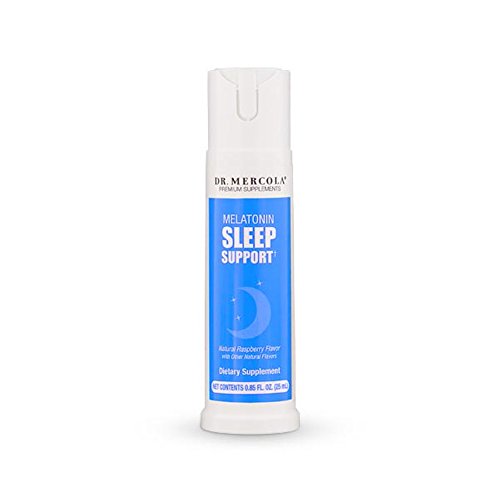 Dr. Mercola, Melatonin...
Buy New $16.97
(as of 08:35 UTC - Details)
Dr. Mercola, Melatonin...
Buy New $16.97
(as of 08:35 UTC - Details)

- Impair your performance on physical or mental tasks, and decrease your problem solving ability
When your circadian rhythms are disrupted, your body produces less melatonin (a hormone AND an antioxidant) and has less ability to fight cancer, since melatonin helps suppress free radicals that can lead to cancer. This is why tumors grow faster when you sleep poorly.
Impaired sleep can also increase stress-related disorders, including:
- Heart disease
- Stomach ulcers
- Constipation
- Mood disorders like depression
Sleep deprivation prematurely ages you by interfering with your growth hormone production, normally released by your pituitary gland during deep sleep (and during certain types of exercise, such as Peak Fitness Technique). Growth hormone helps you look and feel younger.
One study has even shown that people with chronic insomnia have a three times greater risk of dying from any cause.
Lost sleep is lost forever, and persistent lack of sleep has a cumulative effect when it comes to disrupting your health. Poor sleep can make your life miserable, as most of you probably know.
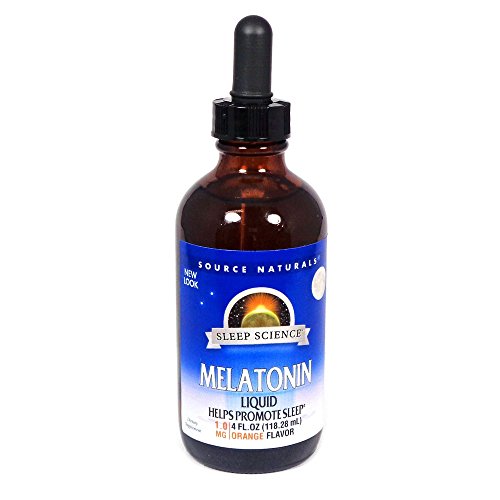 Source Naturals Sleep ...
Buy New $30.78
(as of 10:41 UTC - Details)
Source Naturals Sleep ...
Buy New $30.78
(as of 10:41 UTC - Details)
The good news is, there are many natural techniques you can learn to restore your u201Csleep health.u201D
Whether you have difficulty falling asleep, waking up too often, or feeling inadequately rested when you wake up in the morning – or maybe you simply want to improve the quality of your sleep – you are bound to find some relief from my tips and tricks below.
**If you are interested in more information about sleep or any of the 33 items listed, I invite you to delve into the links that follow, which are grouped by subject.
Optimizing Your Sleep Sanctuary
- Sleep in complete darkness, or as close to it as possible. Even the tiniest bit of light in the room can disrupt your internal clock and your pineal gland’s production of melatonin and serotonin. Even the tiniest glow from your clock radio could be interfering with your sleep. This will help decrease your risk of cancer. Close your bedroom door, and get rid of night-lights. Refrain from turning on any light at all during the night, even when getting up to go to the bathroom. Cover up your clock radio.
Cover your windows – I recommend using blackout shades or drapes.
All life evolved in response to predictable patterns of light and darkness, called circadian rhythms. Modern day electrical lighting has significantly betrayed your inner clock by disrupting your natural rhythms. Little bits of light pass directly through your optic nerve to your hypothalamus, which controls your biological clock.
Light signals your brain that it's time to wake up and starts preparing your body for ACTION.
-
Keep the temperature in your bedroom no higher than 70 degrees F. Many people keep their homes and particularly their upstairs bedrooms too warm. Studies show that the optimal room temperature for sleep is quite cool, between 60 to 68 degrees. Keeping your room cooler or hotter can lead to restless sleep.
-
When you sleep, your body's internal temperature drops to its lowest level, generally about four hours after you fall asleep. Scientists believe a cooler bedroom may therefore be most conducive to sleep, since it mimics your body's natural temperature drop.
- Check your bedroom for electro-magnetic fields (EMFs). These can disrupt the pineal gland and the production of melatonin and serotonin, and may have other negative effects as well.
To do this, you need a gauss meter. You can find various models online, starting around $50 to $200. Some experts even recommend pulling your circuit breaker before bed to kill all power in your house.
- Move alarm clocks and other electrical devices away from your bed. If these devices must be used, keep them as far away from your bed as possible, preferably at least 3 feet. Remove the clock from view. It will only add to your worry when you stare at it all night… 2 a.m. …3 a.m. … 4:30 a.m.
- Avoid using loud alarm clocks. It is very stressful on your body to be suddenly jolted awake. If you are regularly getting enough sleep, an alarm may even be unnecessary.
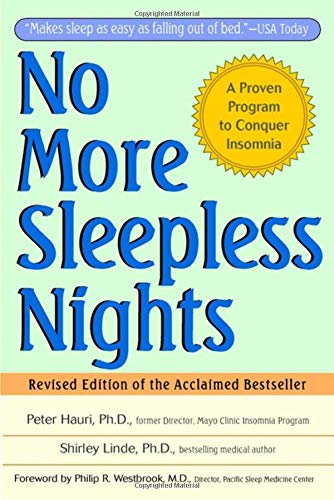 No More Sleepless Nights
Best Price: $1.49
Buy New $8.30
(as of 05:30 UTC - Details)
No More Sleepless Nights
Best Price: $1.49
Buy New $8.30
(as of 05:30 UTC - Details)
I gave up my alarm clock years ago and now use a sun alarm clock. The Sun Alarmu2122 SA-2002 provides an ideal way to wake up each morning if you can’t wake up with the REAL sun. Combining the features of a traditional alarm clock (digital display, AM/FM radio, beeper, snooze button, etc) with a special built-in light that gradually increases in intensity, this amazing clock simulates a natural sunrise. It also includes a sunset feature where the light fades to darkness over time, which is ideal for anyone who has trouble falling asleep.
- Reserve your bed for sleeping. If you are used to watching TV or doing work in bed, you may find it harder to relax and drift off to sleep, so avoid doing these activities in bed.
- Consider separate bedrooms. Recent studies suggest, for many people, sharing a bed with a partner (or pets) can significantly impair sleep, especially if the partner is a restless sleeper or snores. If bedfellows are consistently interfering with your sleep, you may want to consider a separate bedroom.
Preparing for Bed
- Get to bed as early as possible. Your body (particularly your adrenal system) does a majority of its recharging between the hours of 11 p.m. and 1 a.m. In addition, your gallbladder dumps toxins during this same period. If you are awake, the toxins back up into your liver, which can further disrupt your health.
Prior to the widespread use of electricity, people would go to bed shortly after sundown, as most animals do, and which nature intended for humans as well.
- Don’t change your bedtime. You should go to bed and wake up at the same times each day, even on the weekends. This will help your body to get into a sleep rhythm and make it easier to fall asleep and get up in the morning.
 Sleep Soundly
Best Price: $2.00
Buy New $4.99
(as of 11:45 UTC - Details)
Sleep Soundly
Best Price: $2.00
Buy New $4.99
(as of 11:45 UTC - Details)
- Establish a bedtime routine. This could include meditation, deep breathing, using aromatherapy or essential oils or indulging in a massage from your partner. The key is to find something that makes you feel relaxed, then repeat it each night to help you release the tensions of the day.
- Don’t drink any fluids within 2 hours of going to bed. This will reduce the likelihood of needing to get up and go to the bathroom, or at least minimize the frequency.
- Go to the bathroom right before bed. This will reduce the chances that you’ll wake up to go in the middle of the night.
- Eat a high-protein snack several hours before bed. This can provide the L-tryptophan needed for your melatonin and serotonin production.
- Also eat a small piece of fruit. This can help the tryptophan cross your blood-brain barrier.
- Avoid before-bed snacks, particularly grains and sugars. These will raise your blood sugar and delay sleep. Later, when blood sugar drops too low (hypoglycemia), you may wake up and be unable to fall back asleep.
- Take a hot bath, shower or sauna before bed. When your body temperature is raised in the late evening, it will fall at bedtime, facilitating slumber. The temperature drop from getting out of the bath signals your body it's time for bed.
- Wear socks to bed. Feet often feel cold before the rest of the body because they have the poorest circulation. A study has shown that wearing socks reduces night wakings. As an alternative, you could place a hot water bottle near your feet at night.
- Wear an eye mask to block out light. As discussed earlier, it is very important to sleep in as close to complete darkness as possible. That said, it’s not always easy to block out every stream of light using curtains, blinds or drapes, particularly if you live in an urban area (or if your spouse has a different schedule than you do). In these cases, an eye mask can be helpful.
- Put your work away at least one hour before bed (preferably two hours or more). This will give your mind a chance to unwind so you can go to sleep feeling calm, not hyped up or anxious about tomorrow’s deadlines.
- No TV right before bed. Even better, get the TV out of the bedroom or even completely out of the house. It's too stimulating to the brain, preventing you from falling asleep quickly. TV disrupts your pineal gland function.
 Ambient White Noise Fo...
Buy New $0.99
(as of 06:15 UTC - Details)
Ambient White Noise Fo...
Buy New $0.99
(as of 06:15 UTC - Details)
- Listen to relaxation CDs. Some people find the sound of white noise or nature sounds, such as the ocean or forest, to be soothing for sleep. An excellent relaxation/meditation option to listen to before bed is the Insight audio CD. Another favorite is the Sleep Harmony CD, which uses a combination of advanced vibrational technology and guided meditation to help you effortlessly fall into deep delta sleep within minutes. The CD works on the principle of u201Csleep wave entrainmentu201D to assist your brain in gearing down for sleep.
- Read something spiritual or uplifting. This may help you relax. Don’t read anything stimulating, such as a mystery or suspense novel, which has the opposite effect. In addition, if you are really enjoying a suspenseful book, you might be tempted to go on reading for hours, instead of going to sleep!
- Journaling. If you often lay in bed with your mind racing, it might be helpful keep a journal and write down your thoughts before bed. Personally, I have been doing this for 15 years, but prefer to do it in the morning when my brain is functioning at its peak and my cortisol levels are high.
Lifestyle Suggestions That Enhance Sleep
- Reduce or avoid as many drugs as possible. Many drugs, both prescription and over-the-counter, may adversely effect sleep. In most cases, the condition causing the drugs to be taken in the first place can be addressed by following guidelines elsewhere on my web site.
- Avoid caffeine. At least one study has shown that, in some people, caffeine is not metabolized efficiently, leaving you feeling its effects long after consumption. So, an afternoon cup of coffee or tea will keep some people from falling asleep at night. Be aware that some medications contain caffeine (for example, diet pills).
- Avoid alcohol. Although alcohol will make you drowsy, the effect is short lived and you will often wake up several hours later, unable to fall back asleep. Alcohol will also keep you from entering the deeper stages of sleep, where your body does most of its healing.
- Make certain you are exercising regularly. Exercising for at least 30 minutes per day can improve your sleep. However, don’t exercise too close to bedtime or it may keep you awake. Studies show exercising in the morning is the best if you can manage it.
 Dream Essentialsu00ae ...
Buy New $12.99
(as of 06:25 UTC - Details)
Dream Essentialsu00ae ...
Buy New $12.99
(as of 06:25 UTC - Details)
- Lose excess weight. Being overweight can increase your risk of sleep apnea, which can seriously impair your sleep. (CLICK HERE for my nutritional recommendations.)
- Avoid foods you may be sensitive to. This is particularly true for sugar, grains, and pasteurized dairy. Sensitivity reactions can cause excess congestion, gastrointestinal upset, bloating and gas, and other problems.
- Have your adrenals checked by a good natural medicine clinician. Scientists have found that insomnia may be caused by adrenal stress.
- If you are menopausal or perimenopausal, get checked out by a good natural medicine physician. The hormonal changes at this time may cause sleep problems if not properly addressed.
If All Else Fails
- My current favorite fix for insomnia is Emotional Freedom Technique (EFT). Most people can learn the basics of this gentle tapping technique in a few minutes. EFT can help balance your body’s bioenergy system and resolve some of the emotional stresses that are contributing to your insomnia at a very deep level. The results are typically long lasting and improvement is remarkably rapid.
- Increase your melatonin. Ideally it is best to increase levels naturally with exposure to bright sunlight in the daytime (along with full spectrum fluorescent bulbs in the winter) and absolute complete darkness at night.
If that isn't possible, you may want to consider a melatonin supplement. In scientific studies, melatonin has been shown to increase sleepiness, help you fall asleep more quickly and stay asleep, decrease restlessness, and reverse daytime fatigue.
Melatonin is a completely natural substance, made by your body, and has many health benefits in addition to sleep.
I prefer to use a sublingual melatonin product because it is absorbed much faster and therefore works more quickly. I offer a melatonin spray on my website that I believe is one of the very best on the market.
October 4, 2010
 The Cult of Forced Schooling