


The Federal Reserve faces attack from lawmakers on both ends of the political spectrum, as Ben Bernanke defended his nomination to a second term as Fed chairman at confirmation hearings Thursday.
Their opposition isn’t likely to derail the Bernanke nomination, but it represents some of the most concerted opposition the central bank has seen in decades. And, dovetailing with the aftermath of a severe financial crisis, it could potentially result in new constraints on the Fed.
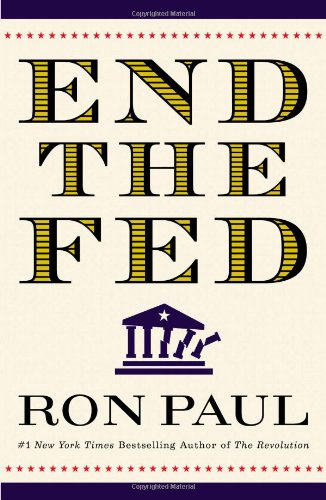 End the Fed
Best Price: $1.12
Buy New $8.53
(as of 10:10 UTC - Details)
End the Fed
Best Price: $1.12
Buy New $8.53
(as of 10:10 UTC - Details)

From the political left, Sen. Bernie Sanders of Vermont is refusing to back Mr. Bernanke for another term, and has put a hold on the nomination. That’s a Senate procedural maneuver that makes the approval process harder. Senator Sanders, an independent, is considered politically way left of most Democrats.
On the opposite front politically, House Rep. Ron Paul (R) of Texas has a view that’s way right of most Republicans: His trust in free markets and advocacy of a gold standard for the US currency prompts him to argue that the Fed shouldn’t exist at all.
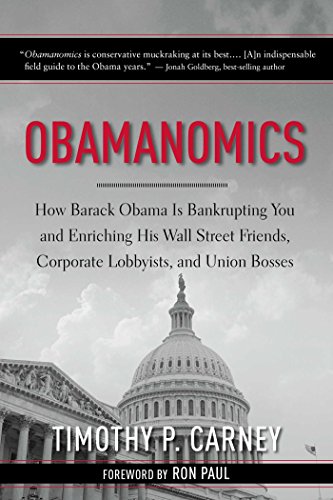 Obamanomics: How Barac...
Best Price: $3.00
Buy New $6.50
(as of 04:50 UTC - Details)
Obamanomics: How Barac...
Best Price: $3.00
Buy New $6.50
(as of 04:50 UTC - Details)
Representative Paul, who garnered a passionate national following in his unsuccessful bid for the Republican presidential nomination in 2008, doesn’t have a direct say on Bernanke’s nomination. But a bank-reform bill that’s moving to the House floor for debate includes a Paul-backed provision for Congress to audit the Fed.
He sees it as a first step toward persuading his colleagues that the central bank’s efforts to manage the economy by manipulating interest rates are ineffective or even harmful.
Critics: Fed helped create crisis
In a year following the near-collapse of the US financial system, and massive rescue actions by the Fed, these two lawmakers aren’t the only ones with questions and concerns about the central bank. But they have issued some of the bluntest criticism.
“The Federal Reserve in collaboration with the giant banks has created the greatest financial crisis the world has ever seen,” Paul said in a July House committee statement.
December 5, 2009

