

More of the Same at the Federal Reserve
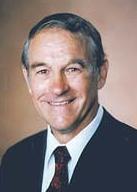
by Ron Paul by Ron Paul
Benjamin Bernanke, a former member of the Board of Governors at the Federal Reserve, is all but certain to be confirmed by the Senate as the next Chairman of that institution. He may find that the adulation given to Mr. Greenspan does not carry over into his tenure so easily, especially if he continues to help Congress run up huge deficits.
Mr. Bernanke is a consummate Fed insider, widely seen by the financial press as the logical heir to Alan Greenspan. In fact, judging by his public statements he may be more like Greenspan than Greenspan himself.
What I mean is that Mr. Bernanke appears to have embraced the idea that the Federal Reserve can create prosperity more than Mr. Greenspan ever did. Like his predecessor, Mr. Bernanke views our system of fiat currency as a tool for creating wealth out of thin air by producing more dollars, whether paper or electronic. But he seems to take things further than Greenspan by refusing even to consider the destructive consequences of monetary expansion. In fact, he earned dubious notoriety for this quote in a 2002 speech discussing the supposed threat of deflation in the American economy: "The U.S. government has a technology, called a printing press, that allows it to produce as many dollars as it wishes at essentially no cost."
But there is a cost, and it’s a heavy one. It’s called monetary inflation, which destroys the value of the dollar and punishes those who save and invest. The money supply, as measured by the Fed’s own M3 figure, has increased about 5 times since 1980. Yet for years officials at the Fed have insisted that inflation is firmly in check.
Inflation is not in check, as anyone who examines the cost of housing, energy, medical care, school tuition, and other basics can attest. In one sense the remarkable rise in housing prices over the last decade really just represents a drop in the value of the dollar. The artificial boom in the 1990s equity markets, engineered by Mr. Greenspan’s relentless monetary expansion and interest rate cutting, ended badly for millions of Americans holding overinflated stocks. What will happen when the same thing happens with housing?
 The fundamental question is whether a central bank can manage the supply of money and credit better than the free market otherwise would. We shouldn’t kid ourselves about the true nature of the Fed, which is inherently incompatible with real free market capitalism. Centralized planning of the money supply is a form of economic control that significantly affects prices, wages, and production levels. Remember how market economists once criticized central planning of prices, wages, and production levels in the former Soviet Union?
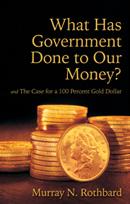 I encourage all Americans to learn more about the Federal Reserve System and what it means for our economic future. An excellent resource is economist Murray Rothbard’s book What Has Government Done to our Money, which provides a brief yet devastating critique of centralized banking and the reckless government spending it enables. We need to demystify the Federal Reserve to understand the enormous political and economic impact of a system that essentially allows government to print money at will to pay its bills.
Dr. Ron Paul is a Republican member of Congress from Texas.

